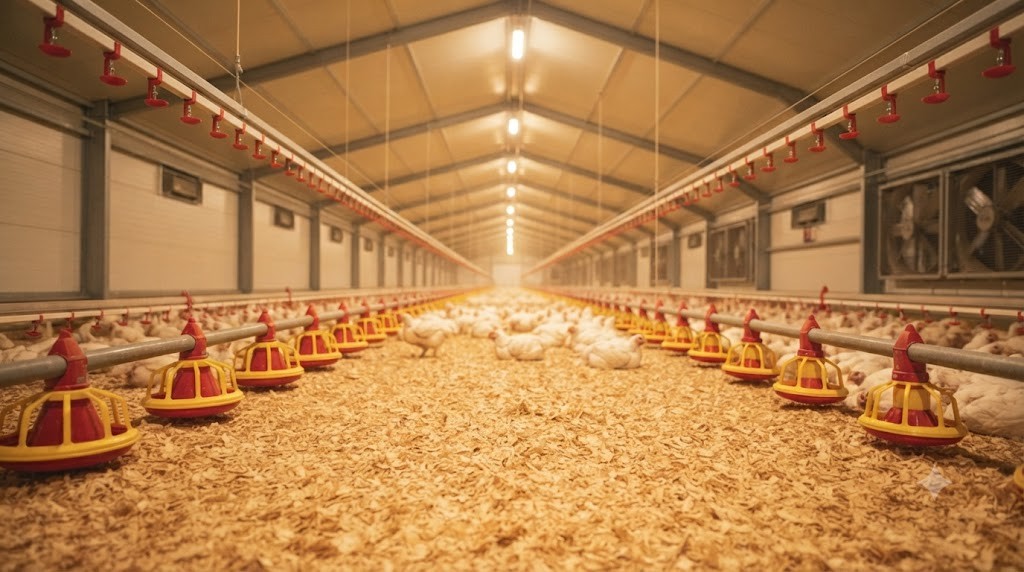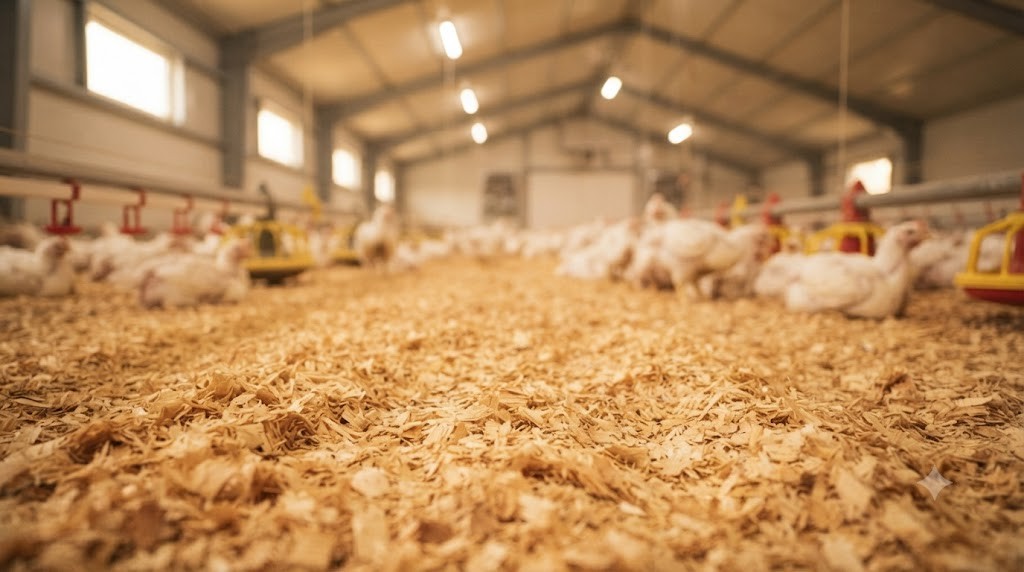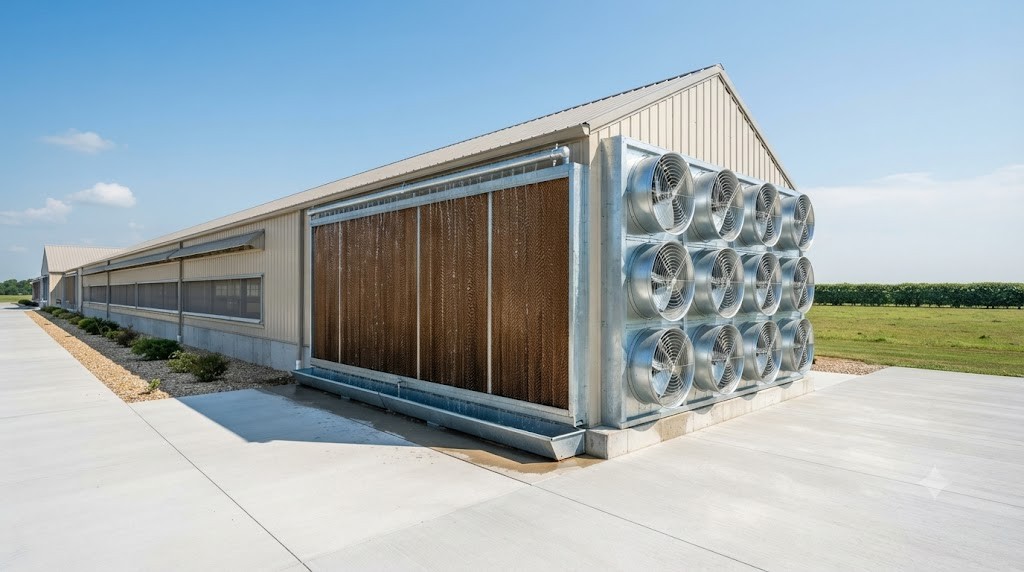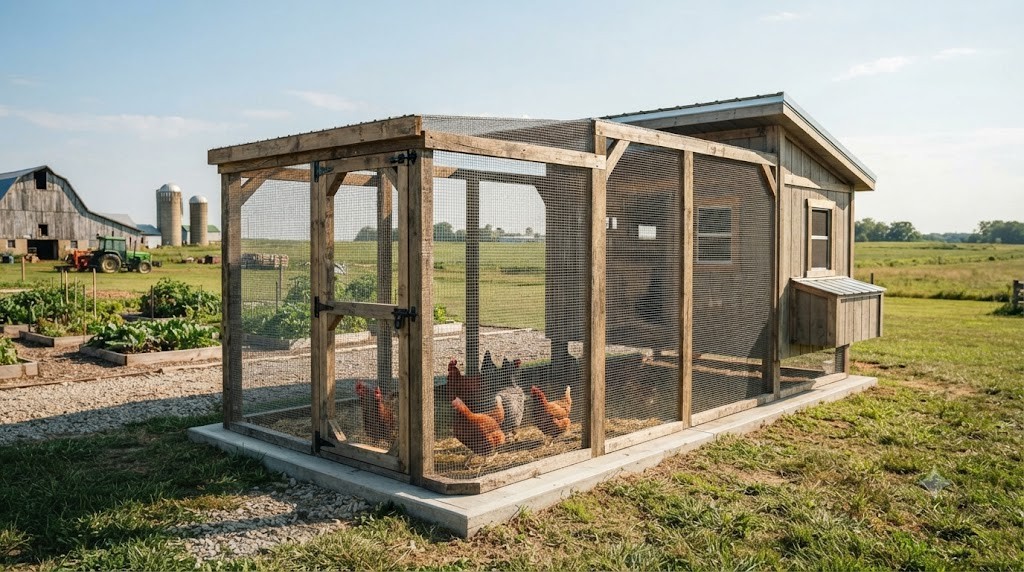
Structural biosecurity represents the physical, architectural envelope that separates the vulnerable domestic poultry flock from the hostile external biological environment. Whether managing a state-of-the-art commercial broiler complex, an expansive cage-free layer aviary, or a regenerative pastured homestead coop, physical infrastructure is the non-negotiable first line of defense. The external landscape harbors relentless biological threats: predatory mammals capable of tearing open flimsy wire, aerial raptors searching for foraging birds, wild migratory birds carrying lethal Highly Pathogenic Avian Influenza (HPAI), and commensal rodents capable of gnawing through structural building materials while transmitting foodborne pathogens.
A failure in structural biosecurity is irreversible. Pathogens and predators do not negotiate; a quarter-inch gap beneath a service door, a torn section of hexagonal chicken wire, or an unburied perimeter apron can lead to the instantaneous slaughter of hundreds of birds or the devastating introduction of a quarantine-triggering epidemic. This comprehensive engineering guide details the materials, physical dimensions, structural configurations, and perimeter defense systems required to construct completely predator-proof and bio-secure poultry housing.
🏡
Material Engineering
The Material Myth: Why Hexagonal Chicken Wire Fails
One of the most dangerous and persistent misconceptions in poultry housing is the reliance on standard traditional ‘chicken wire’ (hexagonal galvanized poultry netting) for predator protection.
The Structural Vulnerability of Hexagonal Netting
Traditional chicken wire was engineered solely for one purpose: keeping domestic chickens contained inside a pen. It was never designed to keep determined predators out. Manufactured from thin 20- to 22-gauge wire with loose, twisted hexagonal joints, chicken wire exhibits virtually zero tensile strength and negligible shear resistance:
- Canine and Mustelid Shear: Adult raccoons, foxes, and domestic dogs possess jaw crushing forces capable of shearing or tearing thin 20-gauge chicken wire open within minutes.
- Reaching and Dismemberment: The standard 1-inch or 2-inch hexagonal opening allows raccoons to easily reach their dexterous paws directly through the wire, seizing resting chickens by the neck or breast and dismembering them through the fence without ever entering the pen.
- Rodent and Snake Penetration: Weasels, rats, and predatory snakes pass effortlessly through standard 1-inch hexagonal apertures, preying on chicks and stealing eggs.
The Professional Standard: Galvanized After Weaving (GAW) Hardware Cloth
The non-negotiable professional standard for bio-secure poultry enclosures is Galvanized After Weaving (GAW) 19-gauge or 16-gauge steel hardware cloth with a tight 1/2-inch by 1/2-inch (or 1/4-inch by 1/4-inch) square mesh grid.
In GAW hardware cloth, the square wire grid is woven first, and the entire roll is subsequently dipped into a molten bath of hot zinc. This process encapsulates every welded joint in thick, corrosion-proof zinc armor, eliminating rust points and fusing the wires into an impenetrable, rigid steel mesh. A 1/2-inch square opening is physically too small for a raccoon’s paw, a weasel’s skull, or an adult rat’s body, providing total mechanical protection against all mammalian and serpentine predators.
| Predator / Pest Vector | Typical Ingress Route | Minimum Aperture Required | Physical Attack Capability | Engineered Structural Countermeasure |
|---|---|---|---|---|
| Raccoon (Procyon lotor) | Tears wire; reaches through; unlocks latches | 3 – 4 inches (Paw reach) | Dexterous paws; extreme tearing jaw strength | 1/2-inch 19-gauge GAW hardware cloth; two-step carabiner latches |
| Weasel / Mink (Mustelidae) | Squeezes through tiny gaps, cracks, pop-holes | 0.75 – 1.0 inch (Quarter size) | Slender skulls; ferocious mass killing instinct | 1/4-inch hardware cloth; sealed door weatherstripping (< 0.5 in) |
| Red Fox / Coyote (Canidae) | Digs beneath fences; bites through netting | 2.0 – 3.0 inches | Tenacious digging; powerful jaw grip | 24-inch buried outward-flared subterranean wire skirt |
| Norway Rat (Rattus norvegicus) | Burrows beneath slabs; gnaws wood/insulation | 0.50 inch (Nickel size) | Gnaws through plastic/soft timber; vectors Salmonella | Concrete foundations; crushed stone apron; metal kick-plates |
| Aerial Raptors (Hawks/Owls) | High-speed aerial dives in open runs | Open canopy | Razor talons; high-speed vertical diving impact | Heavy nylon anti-bird netting; overhead wire grids; structural roofs |
| Wild Waterfowl (Ducks/Geese) | Lands in open runs; vectors HPAI virus | Open canopy / water | Mechanical fomite; sheds lethal Avian Influenza | Total roof enclosure; exclusion of standing surface water |
🏡
Subterranean Defense
Subterranean Perimeter Skirts: The Anti-Digging Barrier
Canine predators (foxes, coyotes, and neighborhood dogs) and burrowing pests rarely attempt to climb over high fences; they instinctively drop their noses to the ground and dig beneath the bottom perimeter rail. A standard vertical fence buried just a few inches into soil is breached within minutes.
The 24-Inch Outward-Flared L-Skirt Architecture
The definitive engineering solution to digging predators is the outward-flared subterranean L-skirt (anti-digging apron):
- Hardware cloth extends down the exterior wall of the coop, contacts the ground, and flares outward away from the building at a 90-degree angle for a horizontal distance of at least 20 to 24 inches along the soil surface.
- The skirt is buried shallowly beneath 2 to 4 inches of soil or turf, secured to the ground using heavy 12-inch galvanized rebar sod staples spaced every 18 inches.
When a fox, coyote, or dog approaches the coop wall to dig, it naturally walks directly up to the base of the wall and begins pawing at the soil. It immediately hits the impenetrable steel mesh of the buried skirt. Because animals possess no concept of backing up two feet to dig under the apron, the predator claws fruitlessly at the wire before abandoning the attempt in frustration.
🏡
Rodent Exclusion
Rodent Exclusion Engineering and Structural Sealing
Rats (Rattus norvegicus) and mice (Mus musculus) are insidious biological vectors that destroy insulation, gnaw electrical wiring causing barn fires, consume tons of expensive feed, and contaminate the poultry environment with Salmonella.
The Rule of Quarters and Nickels
An adult Norway rat can squeeze through any opening larger than a nickel (0.75 inches / 19 mm), while a juvenile house mouse can penetrate an opening the size of a dime (0.25 inches / 6 mm). Achieving total rodent exclusion demands absolute structural sealing:
- Concrete Curtain Walls: Commercial poultry barns must be poured upon concrete curtain-wall footings extending at least 18 to 24 inches below grade, completely blocking subterranean burrowing.
- Crushed Stone Vegetation-Free Perimeter: Maintain a 3- to 4-foot-wide border around the entire exterior building perimeter clear of all vegetation, covered in 1.5-inch coarse angular crushed basalt or granite stone (to a depth of 4 inches). Rodents hate crossing wide, open angular stone beds because sharp rocks hurt their footpads, and lack of ground vegetation leaves them completely exposed to natural aerial predators.
- Door Sweeps and Metal Kick-Plates: All exterior service doors must be fitted with heavy commercial aluminum-cased neoprene sweeps. Exterior door jambs and bottom door edges must be encased in 18-gauge galvanized metal kick-plates to prevent rodents from gnawing wooden corners.
🏡
Aerial Protection
Overhead Protection: Aerial Raptor Interception
Outdoor poultry runs and free-range paddocks face continuous threats from predatory raptors: Red-Tailed Hawks, Cooper’s Hawks, Bald Eagles, and Great Horned Owls.
Heavy Heavy-Knot Nylon Aerial Netting
Covering outdoor runs requires high-tensile, UV-stabilized braided polyethylene or nylon netting with a mesh size no larger than 1.5 to 2.0 inches. Light plastic monofilament bird netting is inadequate; it degrades in sunlight, tangles, and snaps under winter snow loads.
Commercial overhead netting must be suspended on a structural framework of heavy galvanized high-tensile steel support wires anchored to perimeter posts, with center support poles capped with smooth protective mushroom caps to prevent abrasion tearing. In extensive acreage pastures where full overhead netting is financially impossible, growers construct portable shade structures and crisscross 100-pound-test monofilament fishing line grids at 10-foot intervals across open paddocks, breaking the flight dive angles of hunting raptors.
🏡
Latch Mechanics
Lock and Latch Mechanics: Defeating Raccoon Intelligence
Raccoons (Procyon lotor) possess extraordinary tactile dexterity, high spatial intelligence, and memory retention. Simple single-motion sliding barrel bolts, hook-and-eye latches, or rotating wooden blocks are effortlessly manipulated and opened by adult raccoons.
The Two-Step Mechanical Latch Rule
Every access door, egg collection hatch, and pop-hole on a poultry coop must be secured by a two-step mechanical latch mechanism requiring two independent physical motions executing simultaneously:
- Standard heavy-duty steel safety hasps secured by spring-loaded, screw-locking marine brass carabiners or heavy zinc snap hooks.
- Automated vertical guillotine pop-hole doors driven by electric winch motors that mechanically lock tightly into bottom retaining channels, preventing raccoons from sliding their claws beneath the door and levering it upward.
By replacing flimsy wire with heavy GAW hardware cloth, installing 24-inch buried outward L-skirts, pouring concrete curtain walls, securing overhead canopies, and locking all portals with two-step carabiner latches, poultry managers construct an impenetrable architectural citadel that guarantees total flock safety, uncompromising biosecurity, and serene operational peace of mind.
🏡
Air Filtration
Bio-Secure Air Filtration and HEPA Systems in High-Density Complexes
As airborne viral pathogens—most notably Highly Pathogenic Avian Influenza (HPAI) and virulent Newcastle Disease—threaten commercial poultry production, high-value primary breeding facilities and commercial layer complexes are increasingly investing in positive-pressure mechanical air filtration.
Electrostatic and MERV-16 Filtration Arrays
Outside air entering the building passes through massive banks of high-efficiency particulate air filters: a primary coarse pre-filter to capture large dust and insect particles, followed by secondary MERV-15 or MERV-16 / HEPA filters capable of capturing sub-micron particulate aerosols (0.3 to 1.0 microns in diameter) upon which viral droplets travel. Operating the facility under slight positive pressure ensures that any structural cracks or doorway openings force filtered air outward, preventing unfiltered outside air from leaking into the flock environment.
🏡
Perimeter Security
Perimeter Lighting, Motion Detection, and Canine Patrol Protocols
Physical fencing must be reinforced with active sensory deterrence systems along the outer security perimeter:
High-Intensity Perimeter LED Illumination and Sonic Deterrents
Nocturnal mammalian predators (raccoons, foxes, coyotes) rely on darkness for concealment. Installing solar-powered motion-activated LED floodlights along the outer security fence illuminates approaching predators, triggering behavioral flight responses. Concurrently, randomized ultrasonic and acoustic distress-call broadcast units deter avian raptors and rodents from establishing nesting territories around building margins.
The Role of Working Guardian Canines
In extensive free-range and pastured poultry facilities, structural wire is complemented by working livestock guardian canines (such as Great Pyrenees or Anatolian Shepherds). These dogs patrol the exterior perimeter buffer zones 24 hours a day. Their continuous scent marking, territorial barking, and physical presence establish an impenetrable psychological barrier that completely deters predators from ever approaching the poultry enclosure.
🏡
Perimeter Landscaping
Perimeter Buffer Engineering: The Vegetation-Free Zone
Rodents and predatory mammals are biologically averse to traversing wide, open, barren spaces where they are vulnerable to aerial raptors. The physical landscaping surrounding a commercial poultry facility must therefore be engineered as an active biosecurity buffer zone.
The 4-Foot Crushed Rock Border Specification
A continuous 3- to 4-foot-wide border around the entire perimeter foundation of every poultry barn must be completely cleared of all topsoil, grass, and weeds. The area is graded away from the building for drainage, lined with heavy industrial geotextile weed barrier fabric, and filled to a depth of 4 to 6 inches with 1.5-inch to 2.0-inch coarse crushed basalt, granite, or river rock.
Rats and mice refuse to burrow through coarse angular stone, while lack of ground vegetation eliminates food seeds and protective cover. Beyond the crushed stone border, all surrounding grass and vegetation must be mowed tightly (kept under 2 inches) out to a distance of at least 50 feet from the building walls, completely eliminating wildlife habitat.
🏡
Wild Bird Exclusion
Wild Bird Interception Netting for Sidewall Curtains and Air Inlets
Wild passerine birds (such as house sparrows, European starlings, and pigeons) represent premier mechanical vectors for introducing lethal avian pathogens, including Salmonella enterica, Mycoplasma gallisepticum, and Avian Metapneumovirus into commercial flocks. In curtain-sided barns or facilities utilizing natural ventilation during moderate weather, open sidewall curtain openings provide direct flight portals for wild birds.
Heavy-Duty Polyethylene Bird Barrier Netting
Modern biosecurity standards mandate that all open air inlets, eves, ridge vents, and curtain drops must be permanently protected by heavy-gauge UV-stabilized high-density polyethylene (HDPE) bird netting with a mesh size strictly under 3/4-inch (19 mm). Netting must be tensioned tautly over rigid exterior timber or steel battens to prevent sagging, ensuring that even tiny wild finches cannot squeeze through into feed pans.