Tania Kertzmann Avatar
Verified Author

Tania Kertzmann

Artisan craft specialist, master maker, and workshop educator at PoultryBase.online. Dedicated to traditional craftsmanship, ceramic science, woodworking, and sustainable studio arts.

Structural Biosecurity and Predator-Proofing for Poultry Facilities: Hardware Cloth, Perimeter Skirts, and Rodent Exclusion Engineering
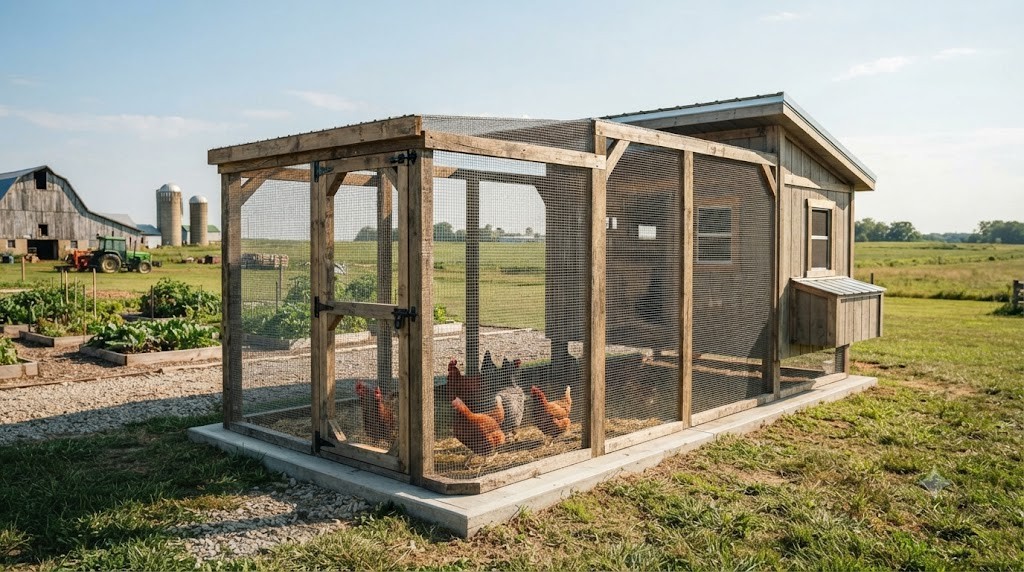
Structural biosecurity represents the physical, architectural envelope that separates the vulnerable domestic poultry flock from the hostile external biological environment. Whether managing a state-of-the-art commercial broiler complex, an expansive cage-free layer aviary, or a regenerative pastured homestead coop, physical infrastructure is the non-negotiable first line of defense. The external landscape harbors relentless biological threats: predatory … Read more
Optimizing Photoperiod and Lighting Programs for Layer Flocks: Spectrum Wavelengths, Lux Intensity, and Molt Management

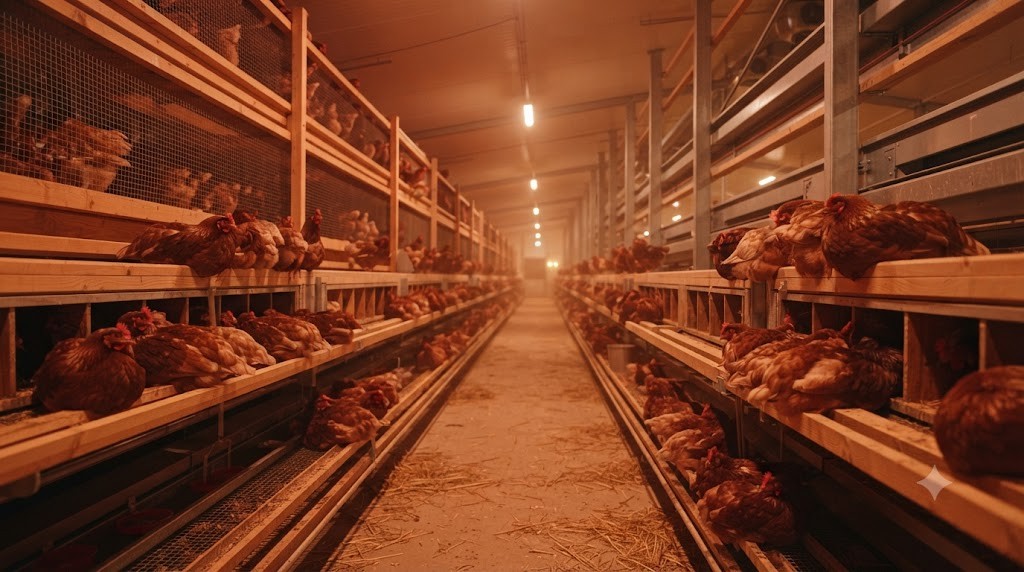
Lighting is the primary environmental conductor of avian reproduction, behavior, and metabolic performance. Unlike mammals whose circadian and seasonal endocrine rhythms are governed primarily through ocular retinal pathways, the domestic chicken possesses an extraordinarily complex, multi-tiered visual and extra-retinal photoreceptive architecture. In poultry management, light is not merely illumination to facilitate feeding; light is a … Read more

Automated Feeding, Watering, and Environmental Control Systems: Smart Sensors, Pan Feeders, and Nipple Lines

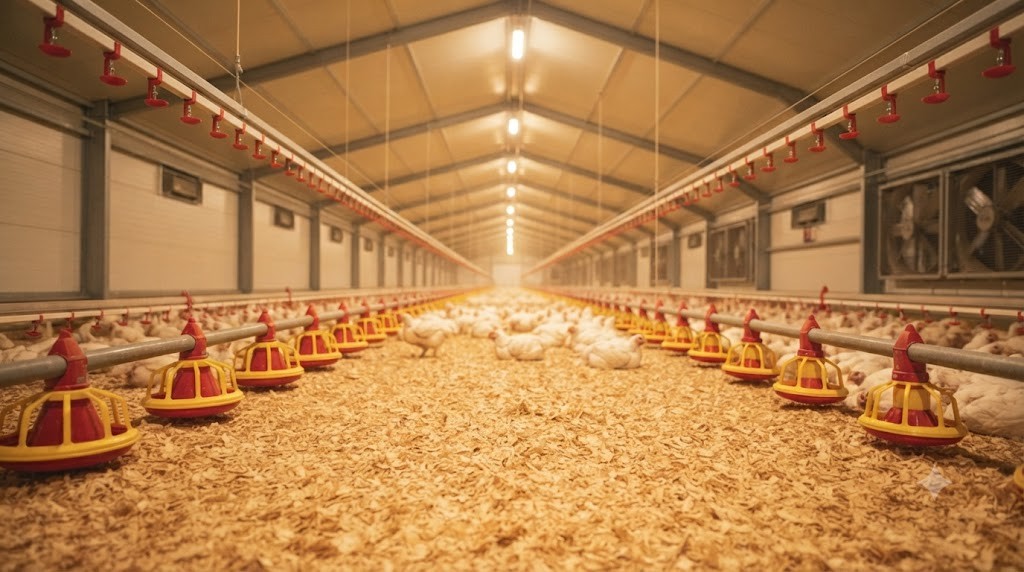
The contemporary commercial poultry facility is an extraordinary marvel of industrial automation, mechatronics, and real-time sensor network engineering. Managing a modern flock of 30,000 to 50,000 birds within an enclosed 25,000-square-foot building is humanly impossible through manual labor alone. Delivering hundreds of metric tons of feed, hundreds of thousands of liters of sanitized water, and … Read more

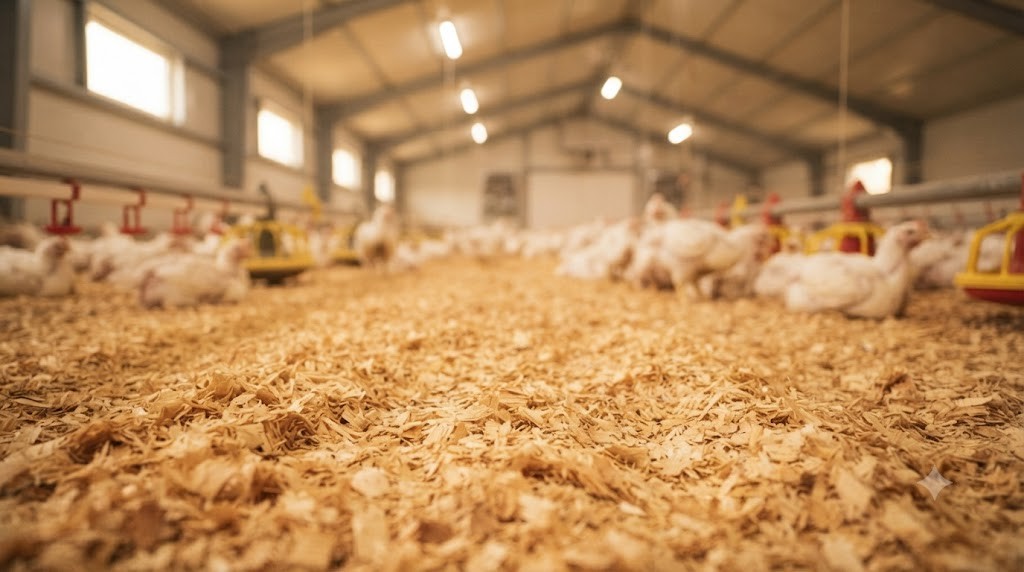
Litter Management and Ammonia Control in Poultry Barns: Shavings, Moisture Thresholds, and Acidifiers

In floor-housed commercial broiler and turkey production, the floor litter pack is not merely an inert bedding material; it is a dynamic, biologically active microbiological ecosystem with which the birds remain in continuous, direct physical contact throughout their entire lives. The condition of the litter directly governs bird health, paw quality, respiratory integrity, feed conversion … Read more

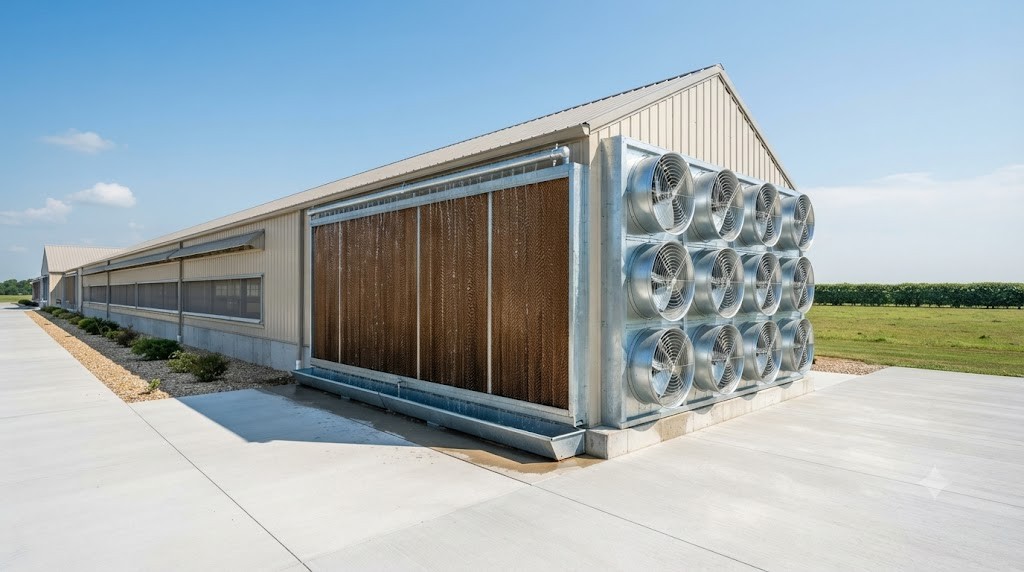
Ventilation Architecture in Modern Poultry Houses: Negative Pressure Mechanics, Tunnel Ventilation, and Minimum Air Math

Ventilation is the physical life-support system of the modern commercial poultry facility. Inside a contemporary high-density poultry house—which routinely confines between 25,000 and 50,000 growing broilers or high-producing commercial layers within a single enclosed building—the internal atmosphere is subjected to continuous biological contamination. Every minute, the flock generates monumental volumes of respiratory water vapor, carbon … Read more

Broiler Biosecurity and Disease Management Protocols: Vaccination, Cleaning Chemistry, and Vector Eradication

In the high-density environment of modern commercial broiler production, biosecurity is not a supplementary operational checklist; it is the ultimate structural defense upon which the entire poultry enterprise survives. Housing tens of thousands of birds within a single barn creates an ideal epidemiological ecosystem for explosive pathogen transmission. A single biosecurity breach—allowing the introduction of … Read more

Preventing Metabolic and Skeletal Disorders in Meat Chickens: Ascites, SDS, and Tibial Dyschondroplasia

The phenomenal genetic progress achieved in modern commercial broiler growth rates has pushed the physiological boundaries of avian anatomy to its absolute metabolic limits. Today’s commercial meat chicken grows at a velocity that is over 400% faster than heritage chickens did in the 1950s. However, this hyper-accelerated somatic muscle deposition—particularly the relentless expansion of the … Read more

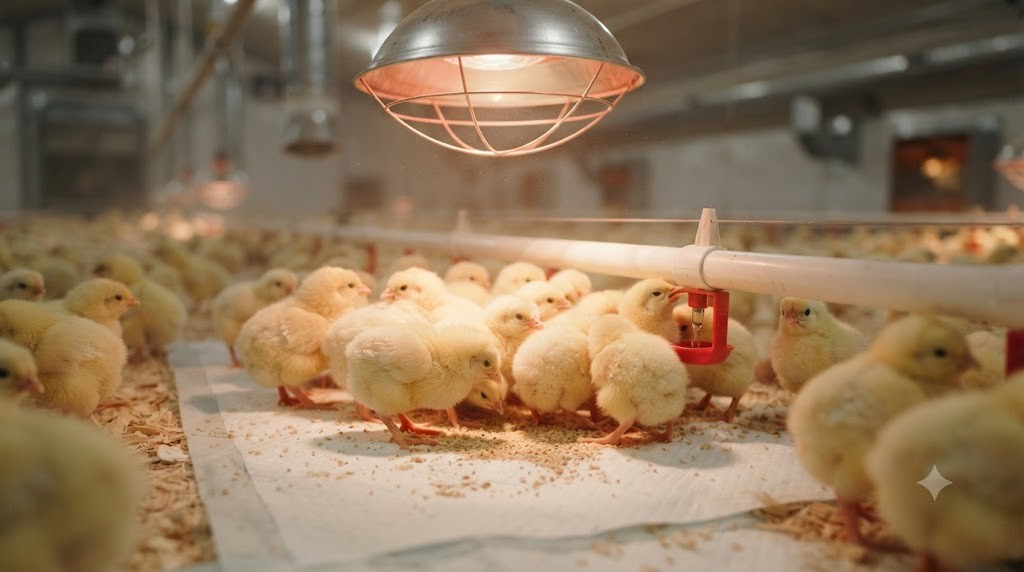
Brooding Management in Commercial Broiler Production: Temperature Curves, Radiant Heating, and Crop Fill Protocols

In the fast-paced production cycle of the modern commercial broiler, the brooding period—defined as the first 7 to 10 days of life—is the single most decisive window determining total flock profitability, survivability, and final carcass yield. Because a modern meat bird achieves market weight in roughly 35 days, the first week of life represents an … Read more

Modern Broiler Genetics and Rapid Growth Dynamics: Ross 308, Cobb 500, and Hubbard Selection Strategies

The modern meat broiler (Gallus gallus domesticus) represents the most biologically efficient terrestrial livestock converter of plant feedstuffs into high-density human dietary protein on Earth. Over the past seven decades, quantitative avian genetics, pedigree family selection, and advanced genomic mapping have transformed the broiler chicken from a slow-growing 16-week farmyard bird into a precision animal … Read more

Free-Range, Pastured, and Aviary Egg Production Systems: Animal Welfare Standards, Hen Ethology, and Biosecurity

The global commercial egg industry is experiencing the most profound infrastructural transformation in its modern history. Driven by evolving consumer preferences, corporate animal welfare pledges from major food retailers, and sweeping legislative mandates across North America and Europe, traditional battery cage housing is being systematically dismantled. In its place, producers are constructing sophisticated multi-tier aviary … Read more

Diagnosing and Preventing Common Egg Quality Defects: Soft Shells, Blood Spots, Meat Spots, and Candling Standards

Egg quality is the supreme metric of commercial viability and consumer trust in table egg production. In competitive agricultural markets, every harvested egg is evaluated against rigorous commercial grading parameters codified by international agricultural standards (such as USDA Grade AA, Grade A, and Grade B, or European Union Class A standards). Down-grading or discarding eggs … Read more

The Avian Ovulatory Cycle and Egg Formation Physiology: Follicular Hierarchy, Oviductal Secretions, and Oviposition

The biological synthesis of an avian egg is one of the most intricate, chronologically synchronized physiological processes in vertebrate reproductive biology. Within a precise 24- to 26-hour cycle, a domestic laying hen transforms raw metabolic nutrients circulating in her bloodstream into an exceptionally organized, self-contained biological capsule containing all the embryonic nourishment, antibacterial enzymatic defenses, … Read more

Alternative Feeds, Pasture Foraging, and Gut Health Additives: Probiotics, Enzymes, and Phytogenics

The contemporary poultry sector is undergoing an unprecedented global paradigm shift driven by volatile grain commodity markets, intensifying consumer demands for antibiotic-free (ABF) and organic poultry, and an urgent mandate for environmental sustainability. For decades, conventional poultry nutrition relied almost exclusively on a standard corn-soybean meal duopoly fortified with subtherapeutic antibiotic growth promoters (AGPs). Today, … Read more

Calcium, Phosphorus, and Vitamin D3 Dynamics in Laying Hens: Medullary Bone Metabolism and Eggshell Calcification

Eggshell calcification in the domestic laying hen represents one of the most astonishing biological feats in vertebrate physiology. Within a rapid 16-to-18-hour window during each 25-hour ovulatory cycle, an elite commercial laying hen mobilizes and deposits approximately 2.0 to 2.4 grams of pure elemental calcium—equivalent to nearly 10% of her entire body calcium reserves—into the … Read more

Formulating Starter, Grower, and Finisher Diets: Phase Feeding Science, Raw Materials, and Least-Cost Formulation

Phase feeding is the operational cornerstone of modern poultry diet formulation. As domestic poultry grow and develop from newly hatched day-old chicks into market-ready broilers or mature ovipositing layers, their metabolic demands, digestive tract enzyme capacities, and somatic growth curves undergo continuous transformation. Supplying a single static diet throughout a bird’s lifespan is biologically inefficient … Read more

Nutritional Requirements of Domestic Poultry: Crude Protein, Essential Amino Acids, and Energy Metabolism

Avian nutrition is the decisive determinant of enterprise profitability, flock welfare, and biological productivity in modern poultry husbandry. Because feed expenditures represent between 60% and 75% of the total operating costs in both commercial broiler meat production and commercial egg farming, formulating diets that precisely satisfy avian metabolic requirements—without underfeeding essential nutrients or wastefully overfeeding … Read more

Cold-Hardy vs. Heat-Tolerant Chicken Breeds: Comb Morphology, Thermoregulation, and Climate Selection

Thermoregulation in domestic poultry represents one of the most critical physiological challenges in agricultural flock management. Unlike mammals, chickens possess no sweat glands, are covered in an insulating layer of keratinized feathers, and maintain a high basal body core temperature ranging between 105°F and 107°F (40.5°C to 41.7°C). Consequently, selecting poultry breeds whose anatomical traits, … Read more

Heritage Ornamental and Rare Chicken Breeds: Exhibition Standards, Genetics, and Conservation Biology

Beyond the high-throughput commercial barns of production agriculture lies the vibrant, historically rich realm of ornamental, rare, and exhibition poultry breeding. Known formally as the poultry fancy, this specialized sphere preserves extraordinary genetic mutations, morphological variations, and antique avian lineages that would otherwise face total extinction. From the silk-like feathering of ancient Asian Silkies to … Read more

High-Yield Commercial and Hybrid Layer Breeds: Productivity Dynamics, Feed Conversion, and Modern Management

Modern commercial egg production is a marvel of quantitative genetics, metabolic optimization, and nutritional engineering. Over the past seven decades, international poultry breeding programs have refined commercial layer strains to deliver astounding levels of biological efficiency. Today’s elite commercial hybrid laying hens routinely exceed 320 to 350 marketable table eggs per bird within a single … Read more

The Comprehensive Guide to Heritage Dual-Purpose Chicken Breeds: Genetics, Productivity, and Pasture Management

Dual-purpose heritage chickens represent the foundational bedrock of sustainable agrarian poultry production. Before the mid-twentieth century transition toward industrialized monoculture—which bifurcated domestic fowl into hyper-specialized meat broilers and high-volume white-egg layer hybrids—farm flocks were required to fulfill two critical economic roles simultaneously: delivering a reliable annual yield of nutritious table eggs and dressing out into … Read more